November 25, 2026
Understanding the specifications that matter when comparing pressure washing equipment is essential for making an informed purchase decision. Whether you're a homeowner looking for a reliable unit or a professional in need of high-performance equipment, certain specifications will influence your choice. The importance of focusing on the right specs cannot be overstated, as they determine the effectiveness, longevity, and efficiency of the equipment. This article aims to guide you through the crucial specifications to consider. By the end of this guide, you will be better equipped to select pressure washing equipment that aligns with your needs.
1. Pressure Output (PSI)
1.1 Importance of PSI in Cleaning Efficiency
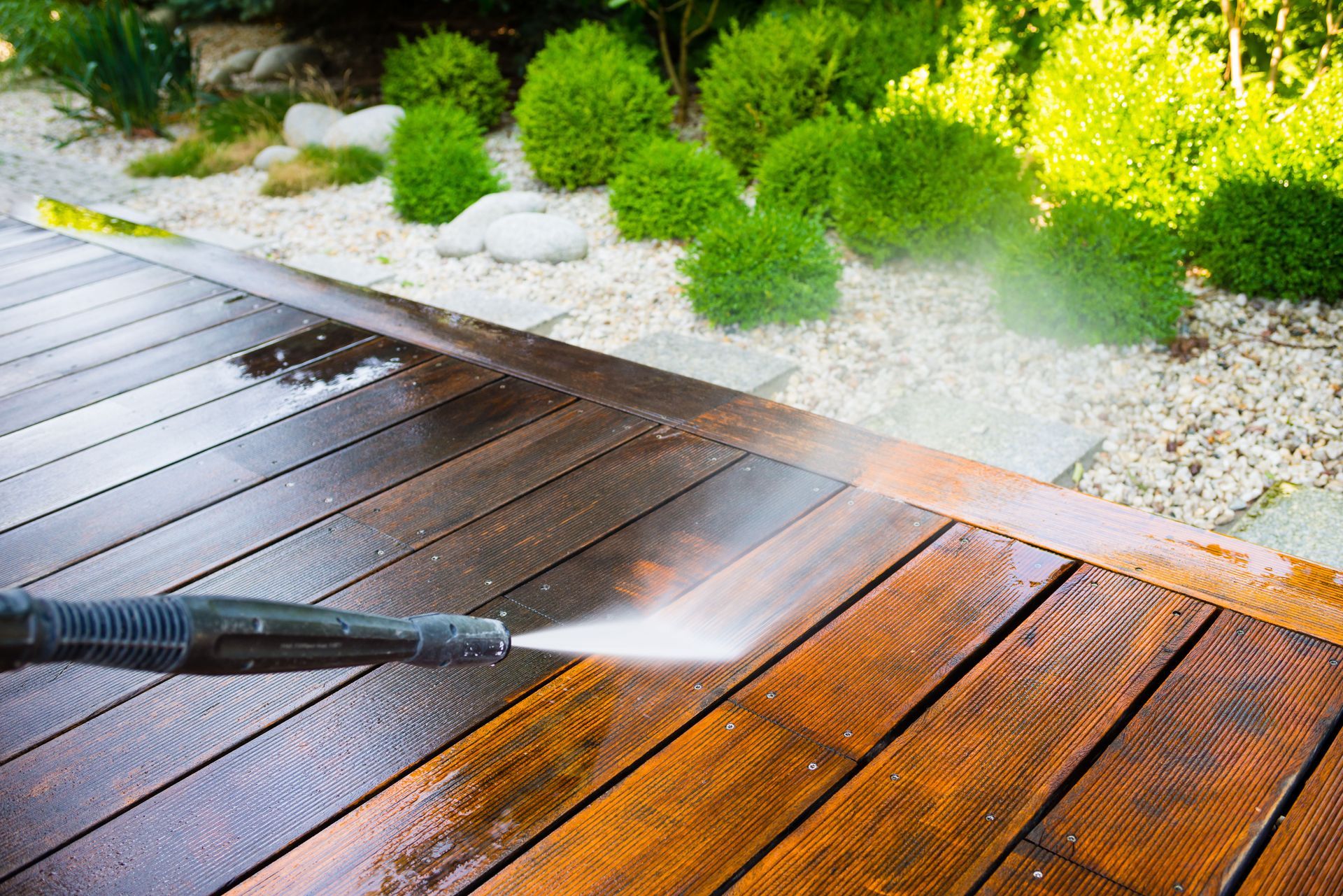
Pressure output, measured in pounds per square inch (PSI), is one of the most critical factors in determining the cleaning efficiency of a pressure washer. The higher the PSI, the more forceful the water jet, which can effectively break down dirt and grime. For tasks like removing stubborn stains from concrete, higher PSI ratings are particularly beneficial. However, a balance must be struck, as too much PSI can damage delicate surfaces such as wood or car paintwork. Therefore, understanding the pressure needs for different cleaning tasks guides the selection of appropriate equipment.
1.2 Comparing PSI Ratings: Residential vs. Commercial Use
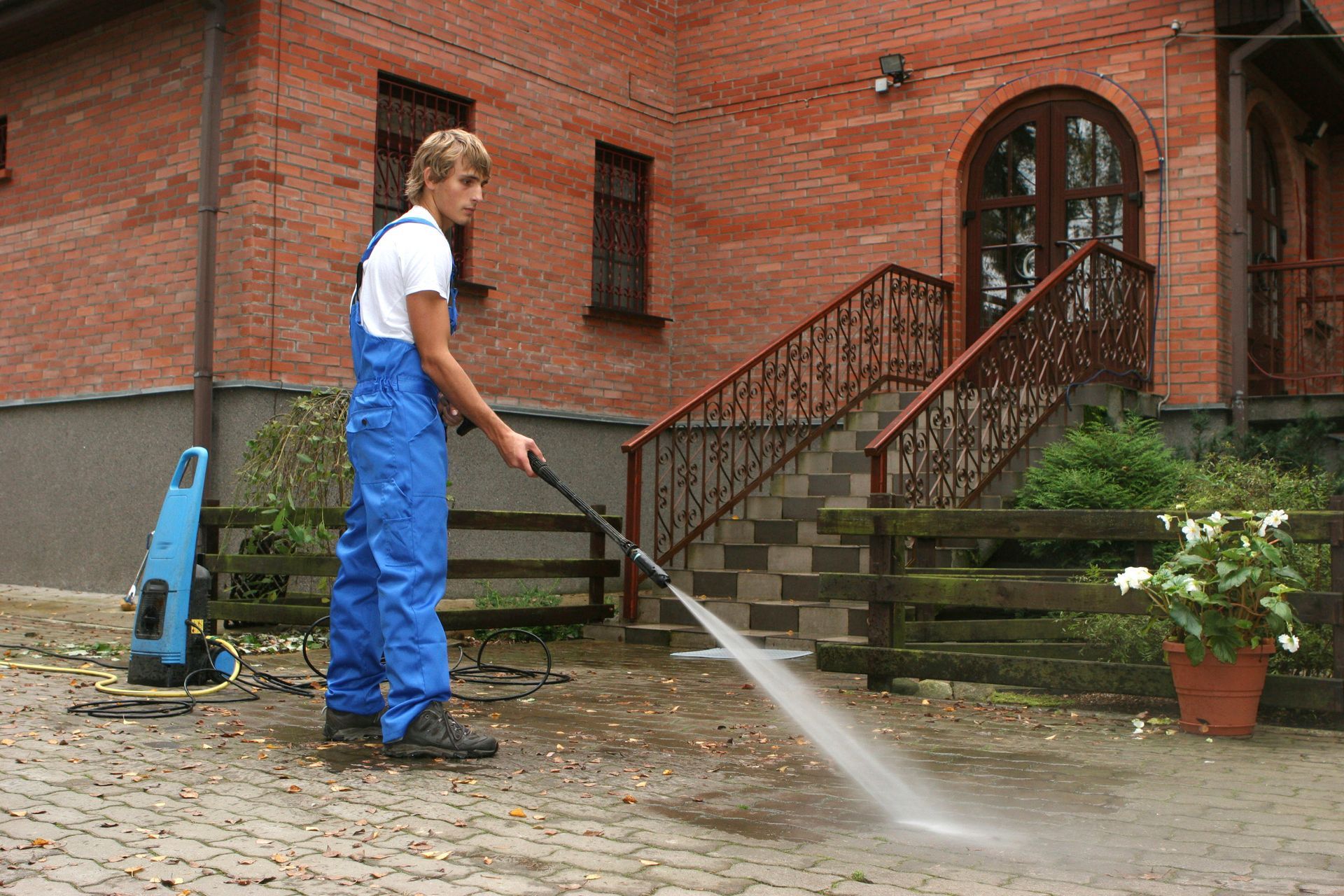
PSI ratings often differ significantly between equipment designed for residential and commercial use. Residential pressure washers generally have PSI ratings ranging from 1,300 to 2,400, ideal for home cleaning tasks like decks and driveways. In contrast, commercial washers can reach PSIs of up to 3,500 or more, catering to more demanding environments. Understanding the application purpose is crucial, as commercial units are built to handle heavy-duty cleaning frequently. Misaligned PSI choices can lead to either inefficient cleaning or unnecessary resource expenditure.
1.3 PSI and Surface Suitability
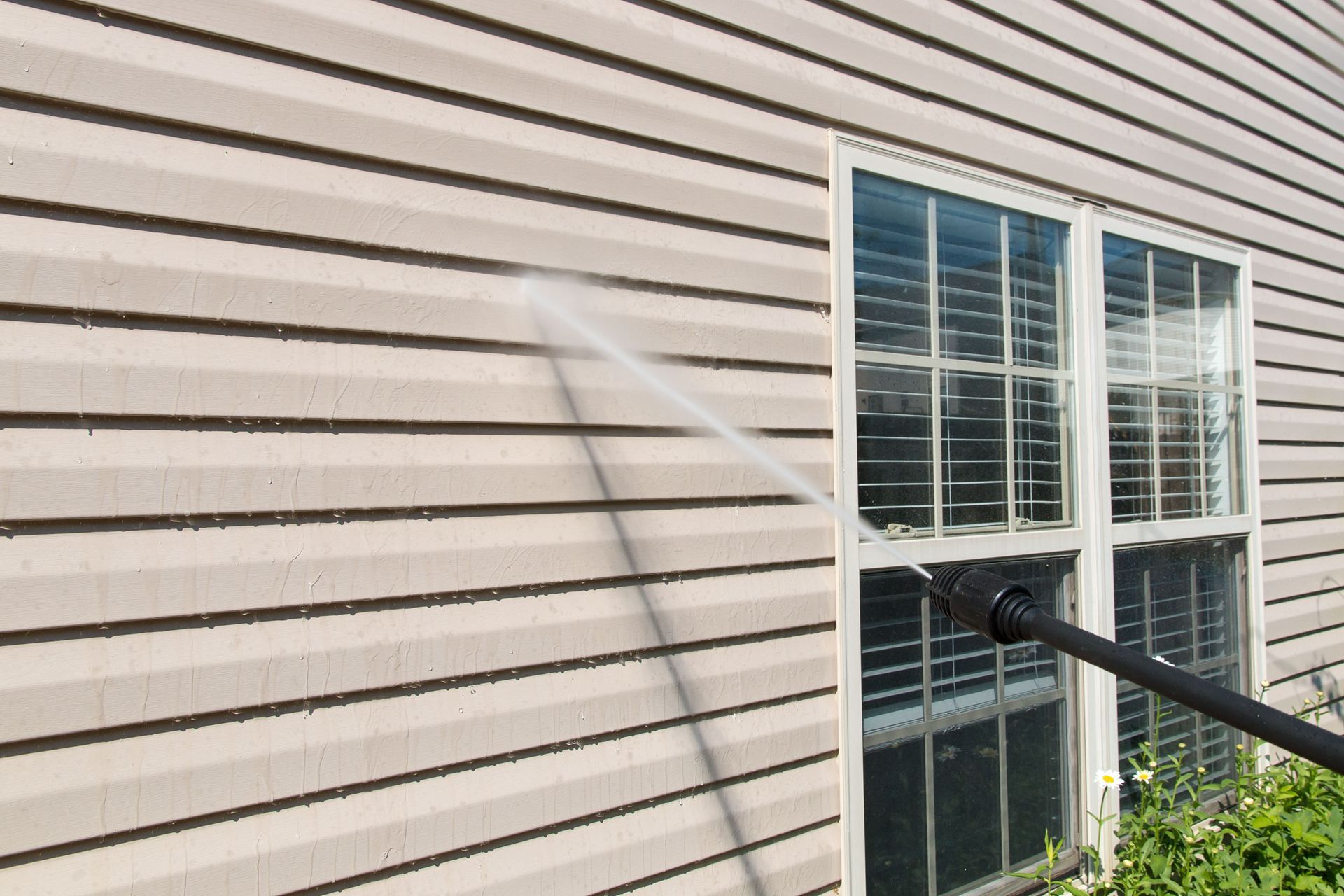
The suitability of PSI ratings to different surfaces cannot be overlooked. While high PSI can thoroughly clean hard surfaces, they may damage soft materials like vinyl siding or windows. On the other hand, low PSI is preferable for such delicate surfaces, providing enough force to clean without causing damage. Many pressure washers come with adjustable settings or different nozzles, allowing users to tailor the PSI output to the surface's requirements. A proper understanding of surface suitability ensures both effective cleaning and material preservation.
1.4 The Impact of High PSI on Equipment Longevity
Using high PSI settings can have long-term implications on the durability and longevity of the pressure washer. Consistently operating at maximum pressure can lead to increased wear and tear, diminishing the equipment's lifespan. Manufacturers often design machines with specific ranges to minimize this risk. Users should follow these guidelines to optimize the equipment's longevity. It's crucial to balance desired cleaning outcomes against potential equipment degradation due to overuse of high PSI levels.
2. Water Flow Rate (GPM)
2.1 Understanding GPM and Its Role in Cleaning Power
GPM, or gallons per minute, reflects the water output of a pressure washer and plays a substantial role in its cleaning power. While PSI addresses the force, GPM translates to the amount of water used in cleaning. The synergy of high pressure and adequate water flow ensures effective dirt removal. Hence, pressure washers with higher GPM ratings can clean large areas faster. Understanding GPM fundamentally helps users choose equipment that aligns well with specific cleaning tasks.
2.2 GPM: More Than Just Speed
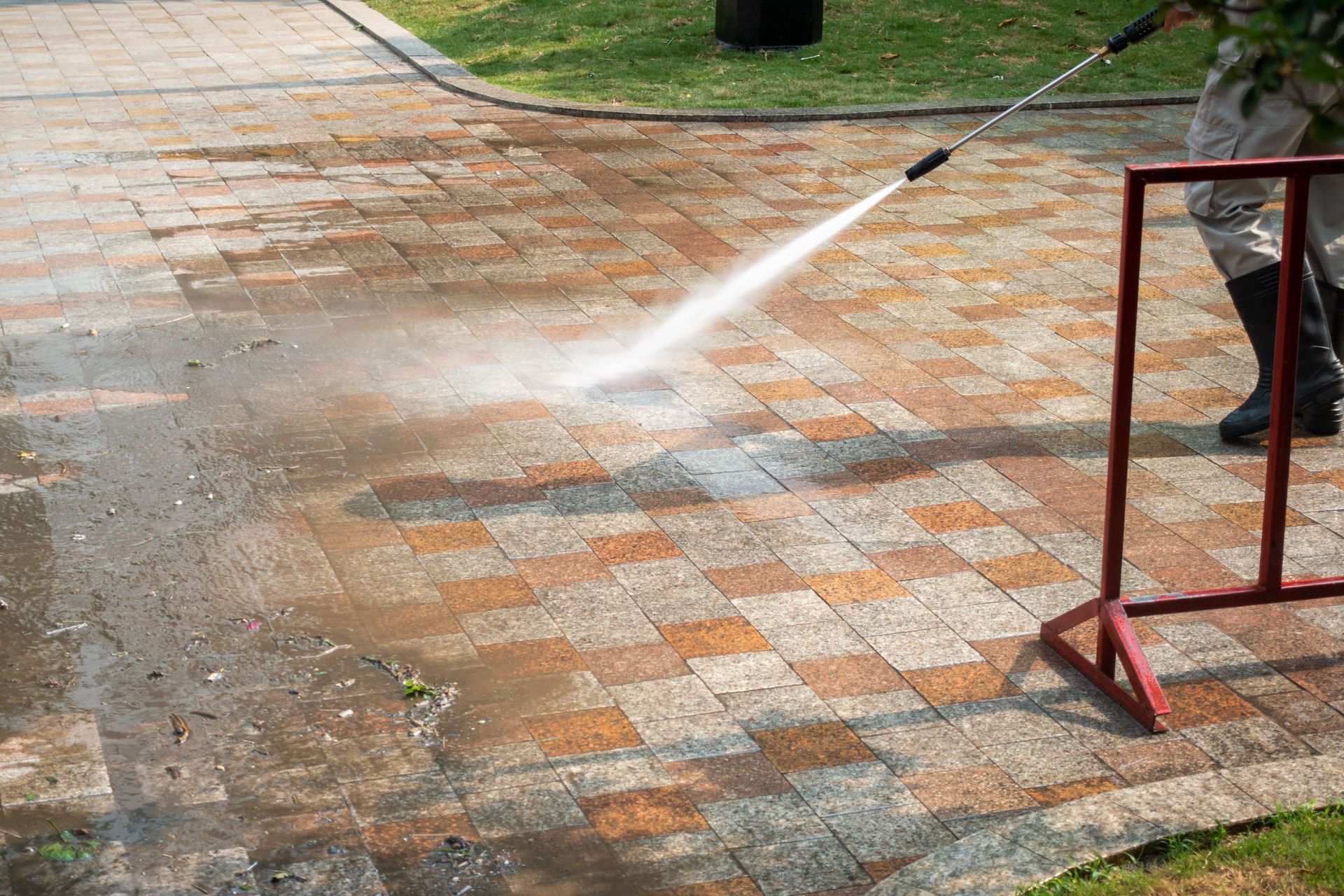
GPM is not solely about speed; it's integral in determining the overall cleanliness achieved. High GPM means more water is directed at the object, removing dirt and debris more thoroughly. This aspect also affects the type of projects you can undertake with the equipment. For instance, a higher GPM can be invaluable for cleaning large driveways or broad surfaces. Recognizing this utility enhances users' ability to choose machines that deliver comprehensive cleaning solutions.
2.3 Balancing GPM and PSI for Specific Applications
Achieving the right balance between GPM and PSI is essential for an effective and resource-conscious cleaning application. According to Market.Us, pressure washers use about 80% less water than traditional cleaning methods like garden hoses, assuming the unit operates at 40% of a hose's flow rate and completes the job in half the time. Striking this balance means choosing equipment where both PSI and GPM align well with expected cleaning tasks and conditions. Particularly for large areas requiring both pressure and volume, this will ensure optimized performance. Properly balancing PSI and GPM can reduce operational costs and improve cleaning results.
3. Engine Type and Power
3.1 Comparing Gas vs. Electric Engines
One of the most critical decisions when selecting a pressure washer is choosing between gas and electric engines. Gas engines offer more power, making them well-suited for larger, outdoor, and commercial tasks requiring high PSI and GPM. While electric engines are less powerful, they offer quiet operation and are ideal for indoor or residential use. Electric models also have the benefit of being low-maintenance. Understanding these distinctions helps users find the right engine type tailored to their specific cleaning requirements.
3.2 Engine Power and Its Impact on Performance
Engine power needs careful consideration as it directly affects the performance and efficiency of a pressure washer. Higher-powered engines generate more PSI and GPM, enhancing the cleaning ability of the equipment. This power provides the necessary force to tackle stubborn dirt and expansive areas. However, powerful engines also tend to be noisier and less portable, drawbacks that users must weigh against their performance benefits. Choosing the appropriate engine power means finding a harmonized balance between utility and manageability.
3.3 Engine Maintenance Considerations
Maintaining the engine in optimal condition is crucial for the longevity and consistent performance of a pressure washer. Gas engines often require more maintenance, including periodic oil changes and monitoring fuel levels. Conversely, electric engines demand less with minimal upkeep beyond basic functional checks. Users should factor in the long-term maintenance requirements when selecting a unit to match their readiness for engine care commitments. Prioritizing engines with manageable maintenance processes ensures sustained operational effectiveness.
4. Portability and Mobility
4.1 Weight Considerations for Ease of Use
Portability is a significant consideration in selecting pressure washing equipment, with weight influencing its mobility and handling. Lightweight models offer enhanced maneuverability, making them ideal for residential usage or tasks involving frequent mobility. Conversely, heavier models often deliver greater power but necessitate more effort for transport. Users must balance these aspects against their operational needs. Evaluating the weight impacts both usability and the convenience of repeated usage.
4.2 Wheel Design and Terrain Compatibility
The design and quality of wheels play a critical role in the mobility of pressure washers. Larger wheels are preferred for navigating difficult terrains like gravel or uneven ground. In contrast, smaller wheels may suffice for flat and smooth surfaces but offer less adaptability. Terrain compatibility should guide users in selecting equipment, ensuring ease of movement and transport across operational environments. Prioritizing suitable wheel designs enhances both maneuvering capabilities and overall usage experience.
4.3 Compactness and Storage Solutions
The size and compactness of pressure washing equipment greatly impact storage and ease of movement. Compact models require less storage space, making them ideal for users with limited available room. Additionally, features like foldable handles contribute to compactness, further simplifying storage solutions. Evaluating storage space limitations helps determine the optimal size and design for your pressure washing needs. A focus on compactness increases both accessibility and usability while minimizing storage concerns.
Effectively comparing pressure washing equipment hinges on understanding key specifications such as PSI, GPM, engine type, portability, accessories, and durability. These factors collectively influence an equipment's effectiveness, longevity, and overall performance, helping users make informed, tailored choices. By focusing on these specifications, users can secure pressure washers that accommodate their specific needs, ensuring efficient, reliable cleaning applications. Whether for residential or commercial use, recognizing the significance of these specifications guides strategic purchasing decisions. If you are looking for quality pressure washing equipment, contact Small Engine Solutions today.